New Portable Device and App Offers Rapid Gonorrhea Diagnosis in Under 15 Minutes
Key Takeaways
- Device diagnoses gonorrhea in under 15 minutes and predicts antibiotic resistance
- Accuracy rates of 97 percent for gonorrhea detection and 100 percent for antibiotic sensitivity testing
- Low-cost, portable design with cartridges priced at around $2 each
Rapid Gonorrhea Testing with a Portable Device and App
A team of researchers from Johns Hopkins University has introduced an innovative solution for diagnosing gonorrhea: a portable device paired with a mobile application. This system can identify the infection and assess antibiotic susceptibility in less than 15 minutes, offering a significant advancement in managing this widespread sexually transmitted infection.
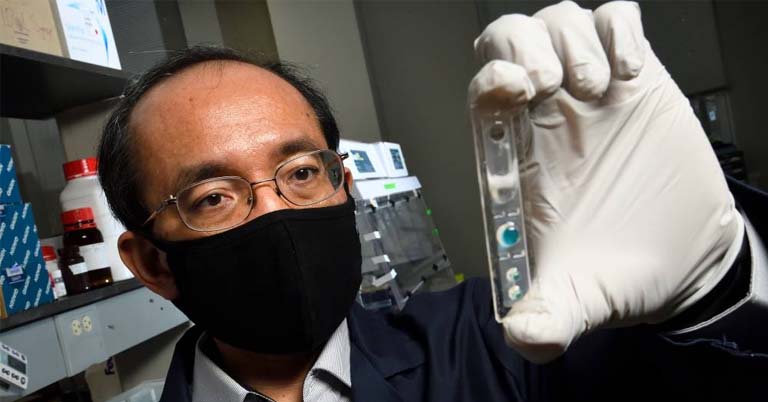
Gonorrhea ranks as the second most common STI in the United States and has developed strong resistance to standard treatments, affecting over 87 million people globally. The new technology, called PROMPT (portable, rapid, on-cartridge, magnetofluidic purification and testing platform), addresses these challenges through a simple, battery-powered design. Each test uses a thermoplastic cartridge that costs approximately $2.
How the Test Works
The testing process is straightforward. A swab containing the patient’s bodily fluids is mixed with a magnetic particle solution. A small drop of this mixture is then placed into a cartridge and inserted into the device. The system performs 40 cycles of polymerase chain reaction (PCR) testing and sends the results to a connected smartphone.
Performance and Accuracy
Field trials conducted in Baltimore and Kampala, Uganda, demonstrated impressive effectiveness. The device correctly identified the most common gonorrhea strain in about 97 percent of cases. It also achieved perfect accuracy (100 percent) in determining whether the strain would respond to ciprofloxacin, an antibiotic used as a last resort against resistant infections.
Future Availability
The research team plans to establish a dedicated company to guide the device through regulatory approvals, begin manufacturing, and ensure widespread availability. According to the project lead, Tza-Huei Wang, this affordable and portable testing platform could revolutionize the diagnosis and treatment of sexually transmitted infections.