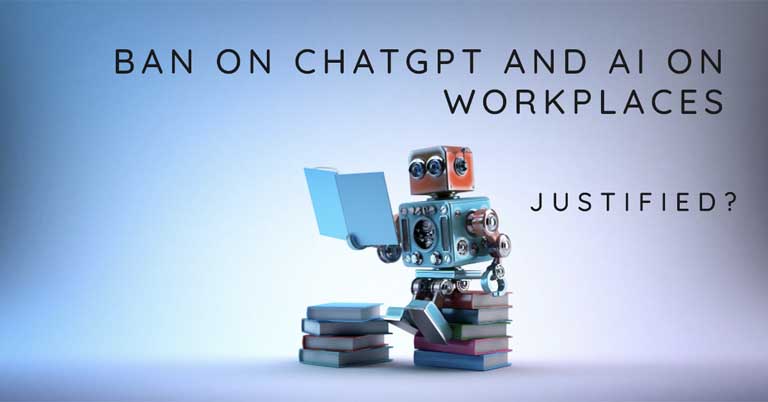
Major Companies Restrict AI Tools Over Data and Security Concerns
Key Takeaways
- Top firms including Samsung, Apple, and banks have restricted employee use of AI tools like ChatGPT
- Primary concerns involve accidental data leaks, incorrect outputs, and possible reduction of human roles
- Experts suggest that outright bans may limit benefits and recommend education and clear policies instead
Why Major Companies Are Banning ChatGPT and Similar AI Tools
In recent months, prominent organizations have begun prohibiting or tightly controlling the use of advanced AI platforms such as ChatGPT, Google Bard, and Bing. These actions stem from legitimate worries over data security, the accuracy of AI-generated content, and the broader impact on employment. Understanding the motivations behind these decisions helps clarify whether such bans protect companies or unnecessarily restrict valuable tools.
Core Reasons Behind the Bans
1. Risk of Inaccurate or Misleading Information ChatGPT and comparable systems are built using vast datasets that may contain errors or incomplete details. Because these models cannot independently confirm the correctness of their training data, they sometimes produce flawed or misleading responses. For businesses relying on AI to generate reports, code, or other critical content, this poses a tangible risk of errors that could affect decision-making or product quality.
2. Data Leakage and Confidentiality Issues When employees input sensitive information into external AI platforms, there is a danger that proprietary data could be stored, shared, or even inadvertently disclosed. Companies, especially in sectors such as finance and technology, view this as a serious threat to intellectual property and competitive advantage. For example, Samsung has warned that uploading internal code or meeting transcripts could expose confidential material to unintended recipients.
3. Potential for Reduced Human Involvement Some firms fear that AI tools could eventually replace human roles, particularly in areas like software development, data entry, and content creation. While these systems can automate repetitive tasks, the long-term implications for workforce dynamics remain a concern for many organizations.
Companies That Have Imposed Restrictions and Their Stated Reasons
The following organizations have introduced limitations on AI usage, each citing specific concerns:
- Samsung: Concerned about difficulties in data retrieval, deletion, and potential unintended disclosure. Employees have been told not to input company-related data into external AI tools, with possible dismissal for violations.
- Apple: Aiming to prevent accidental leaks of confidential data while also developing its own in-house AI solutions.
- Calix: Worries about exposing sensitive internal memos or customer contracts that are bound by nondisclosure agreements.
- Citigroup, Deutsche Bank, Goldman Sachs: Restricted due to policies surrounding third-party software usage.
- JPMorgan Chase: Seeking to avoid regulatory problems linked to sharing financial data with external platforms.
- Verizon: Focused on safeguarding privacy and security when using ChatGPT.
Not all companies have imposed full bans. Some merely advise employees to avoid entering crucial corporate information while still permitting general use of the tools.
ChatGPT’s Own Perspective and Expert Opinion
When asked whether companies should ban ChatGPT to prevent data leaks, the AI itself suggests that outright prohibition may be an overreaction. However, many AI consultants argue that banning these tools without proper evaluation can harm a company’s productivity, innovation, and growth. They recommend a balanced strategy that includes employee education, clear usage guidelines, a culture of accountability, and strong ethical considerations. Managing security risks is essential, and establishing internal policies can help employees navigate these challenges effectively.
Adopting new technology requires careful risk assessment. While security concerns are valid, ignoring the potential advantages of AI may place companies at a competitive disadvantage.