Breakthrough in Pediatric Care: World's Tiniest Dissolving Pacemaker Developed
Key Takeaways
- Revolutionary dissolving pacemaker developed for infants with heart conditions
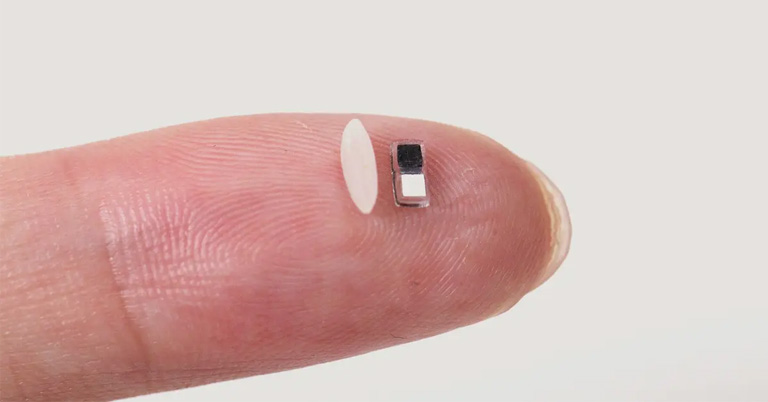
- Device smaller than a grain of rice, activated by light through a chest patch
- Uses body fluids for power, dissolving safely after use
- Clinical trials expected to start later this year
World's Smallest Dissolving Pacemaker for Infants
Researchers at Northwestern University have introduced an extraordinary advancement in medical technology: a pacemaker so small it can fit between grains of rice. Designed exclusively for newborns suffering from heart defects, this device represents a leap forward in pediatric cardiac care.
Innovation Leaders
The project is spearheaded by Dr. John A. Rogers and Dr. Igor Efimov. Their goal is to provide a temporary cardiac solution that vanishes once it is no longer required, thereby avoiding the need for additional surgeries in vulnerable infants. The researchers emphasize that removing traditional pacemakers often involves risky procedures, making this dissolution feature a critical benefit.
Simple Deployment and Operation
Unlike conventional pacemakers, this device can be administered through a simple syringe, removing the need for extensive surgical intervention. It works in conjunction with a flexible patch attached to the infant’s chest, which continuously monitors heart rhythm. When irregularities are detected, the patch emits an infrared light pulse that safely activates the implanted device. This system removes the necessity for wires, complex programming, or external controllers typically associated with traditional models.
Self-Powered by Body Chemistry
One of the most remarkable features is its power source. Instead of relying on conventional batteries or wireless charging, the pacemaker utilizes a galvanic cell that harnesses the body’s own fluids as an electrolyte. Two metal electrodes interact with surrounding biological fluids, generating just enough energy to operate before the device naturally dissolves.
Medical Community Response
This innovation has drawn strong interest from the medical world, especially among pediatric cardiologists. The ability to minimize surgical interventions offers substantial clinical advantages for infants and significant emotional relief for their families facing difficult diagnoses.
Potential Beyond Cardiac Care
Although the primary application is cardiac pacing, the underlying technology holds promise for additional medical uses. The same platform could potentially support nerve regeneration, bone healing, wound treatment, and pain management. Moreover, multiple devices could be implanted and selectively activated using different colored light pulses, enabling more sophisticated treatment protocols.
Future Trials and Expectations
Clinical trials involving infants with temporary heart rhythm disorders are planned for later this year. If these trials prove successful, this micro-pacemaker could mark one of the most meaningful developments in pediatric cardiac medicine in recent history. Sometimes the most impactful innovations come in the smallest forms—tiny enough to fit between rice grains, yet potentially life-changing for young patients.