Google Unveils Imagen Editor, an AI Tool That Modifies Images From Text Input
Key Takeaways
- Imagen Editor uses AI to modify existing images according to user text prompts
- Features include City Dreamer for building designs and Wobble for animated characters
- Currently in beta via AI Test Kitchen, with plans for Google Photos integration
- Trained on a public dataset of 400 million images, unlike some competitors
Google's New AI Image Editor: Text-to-Image Modification Tool Enters Beta
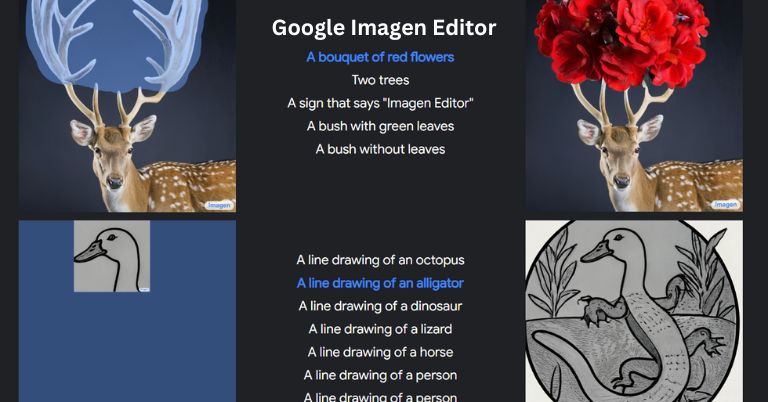
Google has entered the growing field of generative AI tools with the launch of Imagen Editor, a beta service that lets users modify existing images through simple text instructions. Unlike tools that generate images entirely from scratch, Imagen Editor works by taking millions of existing online images and altering them based on user input.
The tool currently provides two main capabilities: City Dreamer, which creates unusual or attractive building designs from descriptive prompts, and Wobble, which enhances animated character images by adding effects, clothing, or backgrounds. Google has publicly disclosed that the AI model behind Imagen Editor was trained on the LAION-400M dataset, a move that contrasts with more secretive approaches taken by some competitors.
At present, Imagen Editor is available only to a limited beta group through Google's AI Test Kitchen app. This staged rollout lets Google collect user feedback and address potential issues before a full public release. Google indicates that the tool is not yet ready to handle security concerns, making the beta approach a prudent strategy.
Users interested in trying the beta can sign up through the AI Test Kitchen website, though access is restricted to a small number of participants. Once made public, the feature is expected to integrate with Google Photos, allowing users to upload an image to the service and apply modifications through descriptive text prompts. The primary goal is to enable practical image adjustments without requiring manual editing tools.
The tool represents Google's latest move in the competitive AI space and could eventually become a standard feature within Google Photos when fully released.