Unauthorized Smartphone Imports Surge as Nepal Delays MDMS Rollout
Key Takeaways
- MDMS, intended to block unauthorized devices, remains unimplemented after months of delay
- Unauthorized iPhones, OnePlus models, and others flood the market freely
- Consumers face risks while legitimate retailers lose market share and tax revenue slips away
The planned Mobile Device Management System (MDMS) in Nepal was supposed to eliminate grey, or unauthorized, smartphone imports by restricting cellular service to officially registered devices. Announced for implementation in the 2078-79 budget and expected to launch from Shrawan 1, the system would have blocked illegally imported phones from connecting to local networks, thereby protecting government tax revenue and giving consumers confidence in purchasing legitimate products.
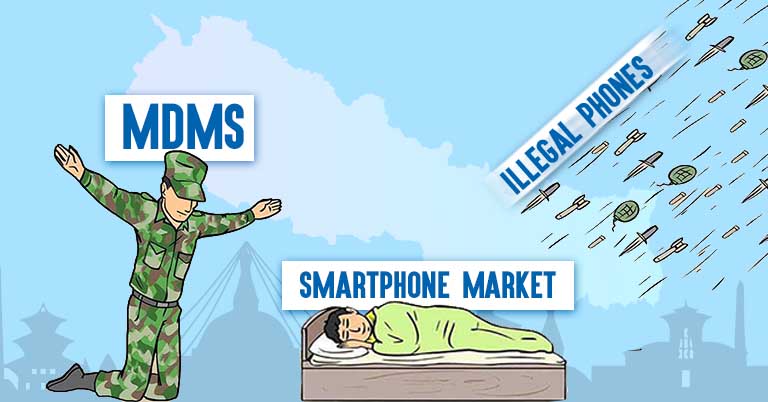
However, nearly six months after the announcement and over a year behind its original schedule, MDMS has still not been activated. Nepal Telecommunications Authority (NTA) officials initially claimed that 95 percent of the necessary infrastructure would be ready by mid-August, yet as of late November, the system remains inactive. This delay has allowed grey market activity to rebound strongly, especially since COVID-related travel restrictions have eased and international flights have resumed.
Unauthorized imports are now openly advertised on platforms such as Facebook, TikTok, and major marketplaces like Hamrobazar. iPhones and OnePlus devices are particularly prominent among these illegal listings. For instance, dual-SIM versions of the iPhone 13 Pro Max are being sold despite official distributor Genxt Nepal only importing single-SIM models. Genxt has recently expanded its retail network, which ironically makes it easier for authorized stores to sell grey products since many customers cannot distinguish between official and unofficial devices.
The high demand for premium smartphones, combined with limited supply from authorized channels, creates a strong incentive for retailers to source unregistered handsets. iPhones, with their high profit margins, are especially attractive in this regard. The same situation applies to the OnePlus 9R, an India-exclusive model now freely available in Nepal despite the absence of MDMS enforcement. Other brands such as Xiaomi, Realme, and Samsung are also affected, with smuggled devices entering through the open border with India.
These illegal imports cost the government significant tax revenue. Official imports require payment of 13 percent VAT and 2.5 percent excise duty, along with type approval. Smugglers, however, bypass these costs and often sell stolen phones without documentation, accessories, or proper packaging. This undercuts legitimate retailers, who cannot match the low prices of grey market goods, thereby squeezing lawful businesses out of the market.
Consumers purchasing from grey sellers face numerous risks, including receiving refurbished units, lacking warranty support, and having no access to after-sales service. The broader market suffers as well, with reduced competition allowing brands to control pricing and product availability without constraint.
To address this situation, experts urge the NTA to accelerate MDMS implementation. Increased cooperation with law enforcement for targeted operations could also help reduce illegal activity while MDMS is being set up. Stricter border controls are needed to prevent the inflow of stolen devices from India, and authorities should enforce existing policies that limit the import of phones for personal use rather than commercial resale. Authorized distributors must also monitor their retail partners more closely to prevent the misuse of their official status in selling unofficial products.
Ultimately, a fully operational MDMS would not only curb grey imports but also protect consumer interests, support legitimate businesses, and boost government tax income. Until then, Nepal's smartphone market will remain vulnerable to unauthorized and potentially illicit products.