Exploring HyperOS 2.0: Enhanced Animations and Smoother Performance
Price in Nepal
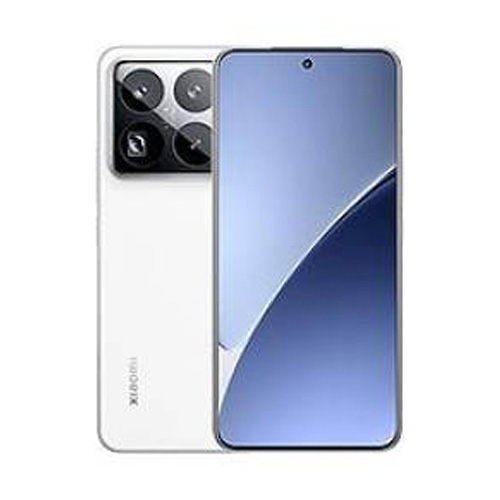
Xiaomi 15
Rs 99,999
Best deals in Nepal
Finding the best deals
Checking stores across Nepal for live prices.
Key Takeaways
- HyperOS 2.0 introduces smoother animations and UI tweaks while maintaining core design elements
- New features include enhanced lock screen customization, AI-powered tools, and improved system app utilities
- The update is optimized for flagship devices like the Xiaomi 15, promising a refined experience for users
Exploring HyperOS 2.0: Enhanced Animations and Smoother Performance
Xiaomi transitioned from its longstanding MIUI interface to HyperOS in late 2023, retaining many familiar design cues. The recent HyperOS 2.0 update builds on this foundation, bringing a series of refinements that I have experienced firsthand over the past two months.
UI Refreshes and Animations
The visual changes in HyperOS 2.0 are subtle but impactful. While default icons remain largely unchanged from HyperOS 1, several animations have been redesigned for a smoother feel. Pulling down the notification panel now reveals a redesigned animation, and expanding the volume controls spans the entire screen, a thoughtful adjustment that improves usability. App transitions feature a new background blur effect, and scrolling through settings includes a bouncy animation that adds a sense of fluidity. The charging animation now incorporates a ripple effect, enhancing the overall premium feel. These improvements are most noticeable on powerful devices like the Xiaomi 15, though midrange models will also benefit from the updated interface once the update rolls out.
Home Screen and Widget Updates
The home screen in HyperOS 2.0 introduces new soft wallpaper options, slightly tweaked from the original HyperOS selection, while retaining popular Super Wallpapers from MIUI. Users can now choose from new layout options, including 4x7 and 5x9 icon arrangements, offering greater flexibility in home screen customization. The widget panel remains largely unchanged, but the gallery widget now supports up to 12 photos and includes an optional depth effect for added visual appeal.
Improved System Apps
Several system applications have seen meaningful updates. The clock app now displays active timers in the status bar, eliminating the need to open the notification panel. The settings menu has undergone reorganization, with the most notable change appearing in the About Phone section, where device specifications are now highlighted prominently without requiring users to navigate to detailed info pages. This makes accessing key details like the processor and RAM instantaneous.
Enhanced Lock Screen Features
The lock screen has been further refined in HyperOS 2.0, building on Xiaomi’s previous redesign. Users can now apply depth effects to both photos and videos, though compatibility varies. The lock screen also allows extensive customization of text, color, and clock styles. A new Dynamic AI wallpaper feature transforms static images into animated backgrounds, supported by AI processing. Preset themes are now organized into categories such as People, Scenery, and Eastern Aesthetics, making it easier to find tailored options.
Expanded AI Capabilities
HyperOS 2.0 incorporates a broad set of AI-driven tools, particularly evident in the Chinese variant tested on the Xiaomi 15. Features include AI app boost, an AI interpreter, fraud prevention, real-time subtitles, search enhancement, speech recognition, and a gallery editor. The AI subtitles stand out for seamless viewing, while the AI Gallery Editor proves valuable for enhancing image clarity, expanding horizons, removing unwanted objects, and even generating AI-powered videos from personal clips. The AI call translation feature supports multiple languages, including Chinese, Hindi, and English, enabling smooth cross-language communication during calls.
Improved Cross-Device Connectivity
Xiaomi’s emphasis on ecosystem integration continues with HyperOS 2.0. Connected Xiaomi devices can be viewed with a simple tap, facilitating easy management. For users with a Xiaomi Pad, file dragging, text copying, and other actions become effortless. During testing with a Redmi Watch 5, turning off phone alarms via the watch proved exceptionally convenient, offering extra sleep minutes with a quick tap.
Final Thoughts
HyperOS 2.0 may not overhaul the visual appearance dramatically for users upgrading from HyperOS 1.0, but the refinement in animations, enhanced lock screen options, and expanded AI utilities create a noticeably smoother and more integrated experience. The update strengthens Xiaomi’s ecosystem connectivity and introduces intelligent features that improve daily interactions, making HyperOS 2.0 a meaningful evolution for Xiaomi device users.
Key specs
| Price | Not specified |
| Display | Not specified |
| Storage | Not specified |
| Camera | Not specified |
| Battery | Not specified |
| Processor | Snapdragon Elite |
Want to compare this device with others?
Compare