Understanding IP68 and IP69 Ratings: Key Differences Explained
Key Takeaways
- IP68 indicates full dust protection and submersion in over 1 meter of water for extended periods
- IP69 provides dust protection and resistance to high-pressure water jets and steam cleaning
- Most modern flagship phones now carry both IP68 and IP69 ratings for comprehensive protection
Understanding IP Ratings for Electronics
When shopping for gadgets, the IP (Ingress Protection) rating is a vital specification that reveals how well a device can resist dust and water exposure. This two-digit code helps consumers gauge durability in tough conditions, whether facing dust, rain, or submersion. Below we explore the practical differences between IP68 and IP69, two of the highest protection levels available.
What Does an IP Rating Mean?
An IP rating consists of two numbers. The first refers to protection against solids—primarily dust—while the second addresses defense against liquids, such as water. Understanding this label is especially useful if you plan to use your device in demanding environments.
IP68: Full Dust and Submersion Protection
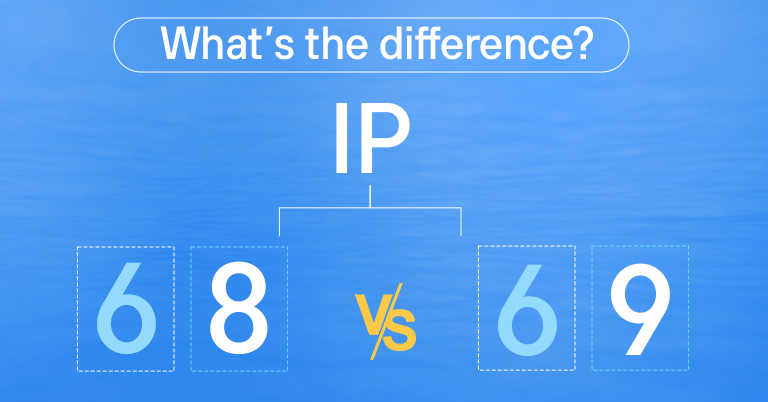
Devices with an IP68 rating are completely sealed against dust and can survive being underwater for prolonged periods. The “6” confirms total dust tightness, blocking even the smallest particles. The “8” allows the gadget to remain submerged deeper than 1 meter, often for 30 minutes or more, depending on the model. Common examples include the Samsung Galaxy S24 Ultra, iPhone 16 Pro Max, and Redmi Note 13 Pro Plus.
IP69: Dust Protection with High-Pressure Water Resistance
IP69 also offers full dust protection, but its focus is on surviving high-pressure water jets and steam cleaning. The “9” indicates the ability to endure water pressure between 80 and 100 bar, making it suitable for intensive cleaning scenarios. Some recent flagships, like the iQOO 13 and OnePlus 13, now carry both IP68 and IP69 ratings, ensuring readiness for deep water as well as powerful spray.
Key Differences Between IP68 and IP69
While both ratings guard against dust, they differ in water handling. IP68 is ideal for devices that may be fully submerged, such as during swimming or rainy-day use. IP69, however, excels in settings requiring resistance to strong water jets—common in industries like food processing or medical services.
Which Rating Should You Choose?
Your choice hinges on intended use. Opt for IP68 if you need a device that can stay functional underwater or in rain. Select IP69 if frequent high-pressure cleaning is expected. In everyday situations, the need for IP69 alone is rare, which explains why many current models incorporate both ratings for maximum versatility.
Final Thoughts
IP68 remains excellent for general dust and water protection, especially for gadgets likely to be immersed. IP69 caters to extreme cleaning conditions with its tolerance for high-pressure streams. However, because real-world scenarios seldom demand pure IP69 capabilities, most modern devices now include both ratings, delivering comprehensive defense for a wide range of challenges.