Mobile Banking Versus Digital Wallets: Which Option Fits You Best?
Key Takeaways
- Digital wallets offer quick, convenient transactions with rewards and fee-free sharing
- Mobile banking provides access to larger transaction limits and full banking services
- Nepal's digital transaction volume grew over 300% from 2020 to 2023, with over 12 million wallet users
- QR payments and emerging services like CBDCs may shape the future of digital payments
Mobile Banking Versus Digital Wallets: Which Option Fits You Best?
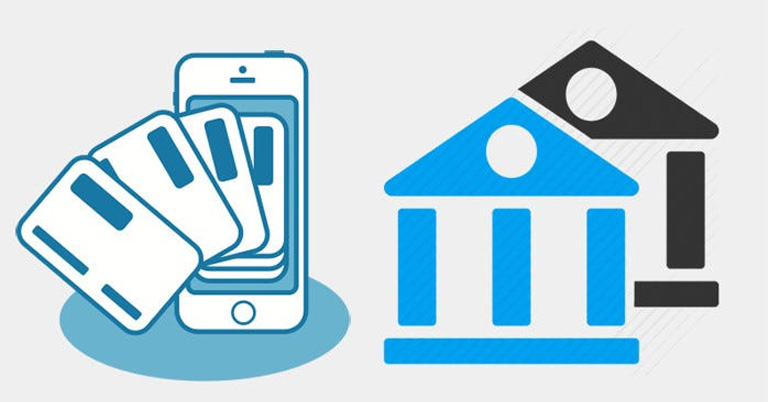
Nepal's financial technology landscape has shifted dramatically in recent years. With increased smartphone ownership and better internet access, both mobile banking and digital wallets have grown rapidly. This article compares these two popular services to help you decide which better matches your everyday financial needs.
The Growing Digital Payment Market in Nepal
Since the introduction of the first digital wallet in 2009, Nepal has seen a major shift toward digital transactions. The COVID-19 pandemic accelerated this trend as contactless payments became essential. According to Nepal Rastra Bank's Payment Systems data, digital transactions surged by over 300% between 2020 and 2023. Today, more than 12 million Nepalis use digital wallets, with eSewa leading the market, followed by Khalti and IME Pay.
Why I Prefer Digital Wallets for Daily Use
For most of my everyday payments, I choose digital wallets. These apps let me store money and complete transactions quickly. In the fiscal year 2080/81 alone, wallet users grew by nearly 24% to over 23 million, processing transactions worth 31 billion 302 million rupees.
What I value most about digital wallets:
- Speed and simplicity: Completing payments in just a few taps
- Rewards and cashbacks: Extra benefits for regular use
- Easy expense sharing: No fees for splitting costs with friends or family
- Clear recipient verification: The app shows the receiver's name before I confirm, reducing mistakes
I primarily use eSewa, Nepal's first wallet with over 8 million users, but I have also tried Khalti, known for its rewards, and IME Pay.
When Mobile Banking Makes More Sense
For larger transactions or when I need full banking services, I turn to mobile banking. Unlike wallets, which require preloading funds, mobile banking connects directly to my bank account. In the last fiscal year, mobile banking handled transactions worth NPR 3.73 trillion, far exceeding wallet volumes.
Benefits of mobile banking for me:
- Direct account access: No need to transfer money beforehand
- Higher limits: Better for big purchases or transfers
- Complete financial overview: See all accounts and products in one place
- Advanced security: Multiple layers of authentication
- Full banking services: Loans, fixed deposits, and more
My Personal Decision Guide
Based on my experience, I follow this simple rule:
Choose a digital wallet when:
- Making quick everyday payments
- Wanting rewards or cashbacks
- Paying bills or recharging mobile
- Sharing expenses without fees
- Needing clear confirmation of the recipient
Choose mobile banking when:
- Handling larger amounts
- Needing to see my full bank balance
- Requiring comprehensive banking features
- Prioritizing the highest security for important transactions
Looking Ahead: The Future of Digital Payments
Both mobile banking and digital wallets will continue to evolve. QR-based transactions have grown over 113% in the past year alone. Upcoming developments like Central Bank Digital Currencies (CBDCs) and Buy Now, Pay Later (BNPL) services may further transform how Nepalis manage money. While mobile banking handles larger values best, digital wallets remain ideal for convenience, accessibility, fee-free sharing, and reliable transaction verification.