Understanding Digital Payment Limits in Nepal for 2025
Key Takeaways
- Daily wallet-to-bank transfers capped at NPR 200,000 with a monthly limit of NPR 1 million
- Exemptions include government payments, utilities, school fees, and same-account transfers
- No fees for domestic card, wallet, or mobile banking transactions
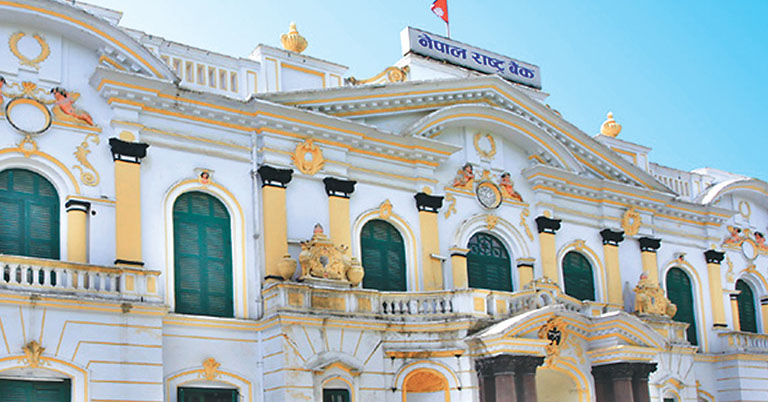
Nepal Rastra Bank releases annual directives to regulate electronic payments, and the latest guidelines for 2025 outline clear transaction limits and exemptions for various digital payment methods. Users can transfer up to NPR 200,000 daily from bank accounts to digital wallets, with a monthly ceiling of NPR 1 million, and the same rules apply for wallet-to-bank transfers. Wallet-to-wallet transactions are limited to NPR 50,000 per day and NPR 500,000 per month.
Certain payments are exempt from these limits, including government-related transactions such as taxes, duties, and fees, as well as utility bills, telecommunication charges, social security contributions, school fees, and insurance premiums. Transfers from a wallet back to its linked bank account face no restrictions, and moving money between accounts held in the same person's name at the same institution also has no caps.
The USSD system, usable without a smartphone, allows transactions up to NPR 5,000 per operation with a daily maximum of NPR 10,000. Contactless NFC payments are limited to NPR 5,000 per transaction. Debit, credit, and prepaid cards now have no transaction limits for point-of-sale or e-commerce purchases, and financial institutions cannot charge fees for domestic payments made through cards, digital wallets, or mobile banking apps. Users may also retrieve forgotten passwords or PINs free of charge.
Businesses can use specialized services such as Corporate Pay for customized limits on payroll and vendor payments, requiring application through their banks. For instant processing of large-value transactions, the Real Time Gross Settlement system handles amounts of NPR 200,000 or more from Sunday to Thursday, 8:30 AM to 7:30 PM, and on Friday from 8:30 AM to 2:45 PM. An alternative Inter-bank Payment System manages non-real-time large payments.