Nothing Phone 2 Review: A Refined Yet Premium Mid-Range Contender
Price in Nepal
Nothing Phone 2
Rs 57,499
Best deals in Nepal
from Rs 57,499Key Takeaways
- Starts at NPR 45,000, a notable increase from its predecessor
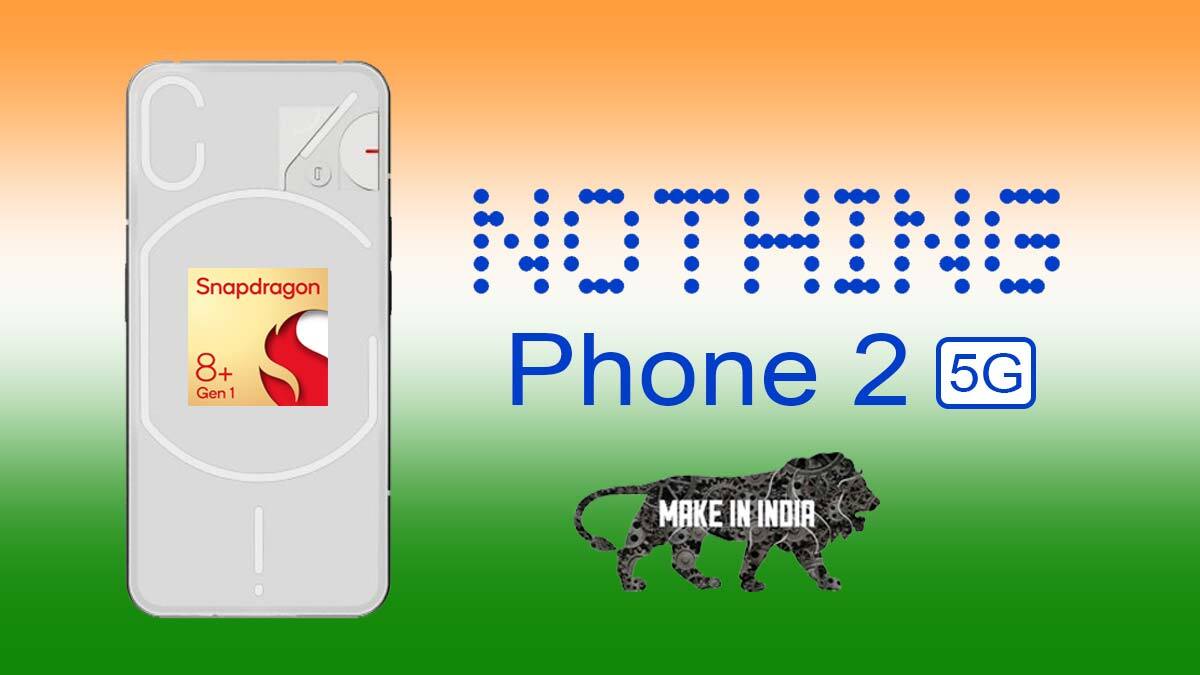
- Features a Snapdragon 8+ Gen 1 processor and a 6.55-inch LTPO OLED display
- Offers a refined Glyph Interface and stable Nothing OS 2.0 experience
- Cameras are capable but require further optimization
- A compelling mid-range option with distinctive styling and solid performance
The Nothing Phone 2 arrives as a follow-up to the highly talked-about Nothing Phone 1, aiming to build on its predecessor's unique design while delivering enhanced performance and features. This review delves into whether the Phone 2 justifies its premium positioning and what improvements it brings to the table.
Design and Build
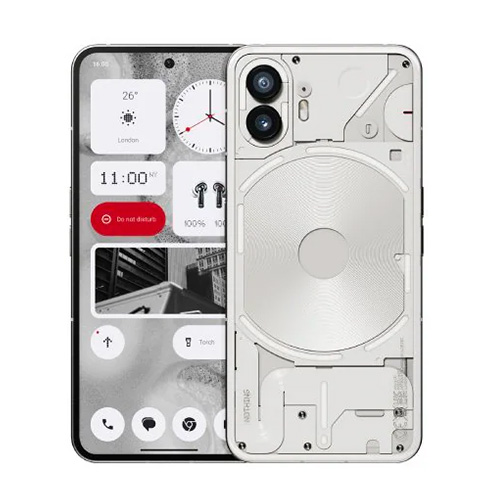
The Phone 2 retains the iconic Glyph Interface from its predecessor, featuring a boxy design with flat aluminum frames made from recycled materials. It now boasts IP54 dust and splash resistance, an improvement over the Phone 1's IP53 rating. However, the Phone 2 is noticeably larger and bulkier, which might challenge one-handed use for those with smaller hands. The white variant, which this reviewer tested, showcases a refined Glyph Interface with reduced yellowing around the edges. The interface now includes 33 individually addressable LED zones, up from 12 on the Phone 1, enabling more granular control and customization. New features like "Essential Notifications" and "Glyph Composer" add functionality and personalization options, though some bugs remain.
Display
The display sees significant upgrades with a larger 6.55-inch Flexible OLED LTPO panel offering a 120Hz refresh rate and 240Hz touch sampling rate. The screen boasts a peak brightness of 1,600 nits in HDR mode and 1,000 nits for standard content, a substantial improvement over the Phone 1. Color reproduction is natural and well-balanced, though HDR content on platforms like Netflix remains unsupported due to the absence of a preinstalled Netflix app. The LTPO backplane allows for adaptive refresh rates as low as 1Hz, enhancing battery efficiency, though the reviewer found the "Dynamic" mode restrictive and preferred the constant 120Hz "High" mode.
Performance
Powering the Phone 2 is the Snapdragon 8+ Gen 1 processor, a significant upgrade over the Snapdragon 778G+ in the Phone 1. This chipset delivers flagship-level performance for everyday tasks, with smooth system animations and responsive app loading. Nothing OS 2.0, based on Android 13, is lauded for its stability and customization options, including extensive widget support. However, gaming performance is mediocre, with titles like Genshin Impact dropping below 50 fps after prolonged use and the device heating up.
Camera
The Phone 2 sports a dual-camera setup with a 50MP primary sensor and a 50MP ultrawide lens. In well-lit conditions, the Phone 2 produces detailed images with a nice dynamic range, competing closely with the Pixel 7a. Low-light photography is strong, with minimal noise and warm tones enhancing the shots. However, consistency between the wide and ultrawide cameras is lacking, with noticeable color shifts and contrast issues in ultrawide shots. Portrait photography benefits from a recent OTA update adding a 2x mode, and the 32MP selfie camera captures sharp images with natural skin tones, though HDR processing could be improved.
Battery and Charging
The Phone 2 houses a 4700mAh battery, slightly larger than the Phone 1, but real-world screen time remains around 6 to 6.5 hours. A notable issue is severe overnight battery drain, sometimes losing up to 9% of charge overnight. Charging has been upgraded to 45W PPS 3.3, though the charger is not included in the box.
Conclusion
The Nothing Phone 2 is a well-rounded, semi-flagship device that refines many aspects of its predecessor. It offers a unique design, a superb display, and a stable, customizable operating system. However, it falls short in gaming performance and battery optimization. While it is a compelling option in the mid-range segment, its premium pricing may give potential buyers pause, especially when considering the remaining software and hardware optimizations needed.
Key specs
| Price | NPR 45,000 |
| Display | 6.55-inch Flexible OLED LTPO panel, 120Hz refresh rate, 240Hz touch sampling rate, HDR10+, 1600 nits peak brightness |
| Storage | 128GB/256GB UFS 3.1 |
| Camera | Dual: 50MP primary sensor with OIS + EIS, 50MP ultrawide sensor |
| Battery | 4700mAh with 45W PPS 3.3 charging, 15W Qi wireless charging |
| Processor | Qualcomm Snapdragon 8+ Gen 1 5G |
Want to compare this device with others?
Compare