BAE Systems Unveils Solar-Powered Drone for Extended Stratospheric Surveillance
Best deals in Nepal
Finding the best deals
Checking stores across Nepal for live prices.
Key Takeaways
- Solar-powered drone achieves 20-month flight endurance at 70,000 feet altitude
- Carries 15kg payload for communications, surveillance, and environmental monitoring
- Targeted for disaster response, border security, and mobile internet services
- Planned commercial rollout expected by mid-2020s as satellite alternative
- Operates in stable stratospheric conditions for uninterrupted observations
BAE Systems Reveals Game-Changing Solar Drone for High-Altitude Operations
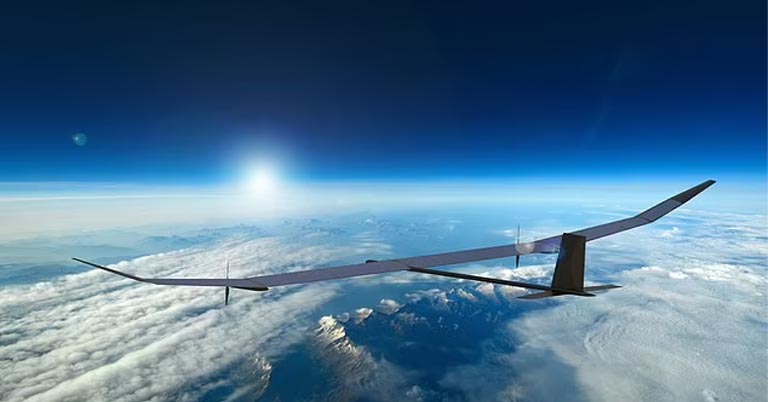
British defense contractor BAE Systems has engineered the PHASA-35, a revolutionary solar-powered drone capable of sustaining flight above 70,000 feet for more than 20 months. Developed at their Warton, Lancashire facility, this stratospheric platform represents a major leap in persistent aerial surveillance and communications.
Key Capabilities and Design Features
Weighing approximately 150 kilograms, the PHASA-35 carries a 15-kilogram payload capacity suitable for cameras, sensors, and communications equipment. Its unique solar-rechargeable battery system enables indefinite operation when exposed to sufficient sunlight, making it ideal for extended missions without refueling.
The drone recently completed its first test flight in Australia and is now being prepared for its initial stratospheric deployment. Despite its massive 70,000-foot ceiling, ascent occurs gradually at just one foot per second, requiring approximately two weeks to reach operational altitude.
Military and Civilian Applications
BAE Systems envisions multiple use cases for the PHASA-35 across both defense and commercial sectors. Military applications include battlefield communication relays, border monitoring, and maritime surveillance. Civilian uses could involve disaster area observation, temporary internet provision during emergencies, and environmental monitoring.
The platform's stratospheric position provides significant advantages, operating above weather disturbances for stable, continuous observations. Its slow descent speed and lightweight construction simplify component replacement after missions.
Market Timing and Service Models
While not yet available for purchase, BAE Systems plans to begin commercializing the technology by the mid-2020s. The company intends to offer flexible service models, allowing customers to select specific capabilities such as data transmission windows or surveillance time slots. Large organizations may also acquire the drones as operational assets.
Limitations and Considerations
Successful operations depend on favorable atmospheric conditions and sufficient solar exposure. Performance may vary at higher latitudes with limited sunlight. While capable of providing temporary connectivity similar to satellite services, coverage remains time-limited rather than permanent.
This emerging technology could fundamentally change how we maintain persistent surveillance and communications in remote or contested environments.
Key specs
| Altitude | 70,000 feet |
| Weight | 150 kg |
| Flight Duration | 20 months |
| Ascent Speed | 1 foot per second |
| Payload Capacity | 15 kg |
| Power Source | solar-rechargeable batteries |
Want to compare this device with others?
Compare

![Infinix Mobile Price in Nepal [Updated 2026]](https://d1sudpwijxjvof.cloudfront.net/media/infinix-mobile-price-nepal/5f9e1d00c8861eed.jpg)