Smartphone Growth Slows as Market Maturation Sets In
Key Takeaways
- Global smartphone sales grew just 7% in 2016, down from 14.4% in 2015
- Average users keep devices for 2 to 2.5 years and often skip generations
- Market saturation in developed regions forces focus on budget segments in India and China
- Future innovation may lie in VR, AI devices, and wearable tech rather than traditional smartphones
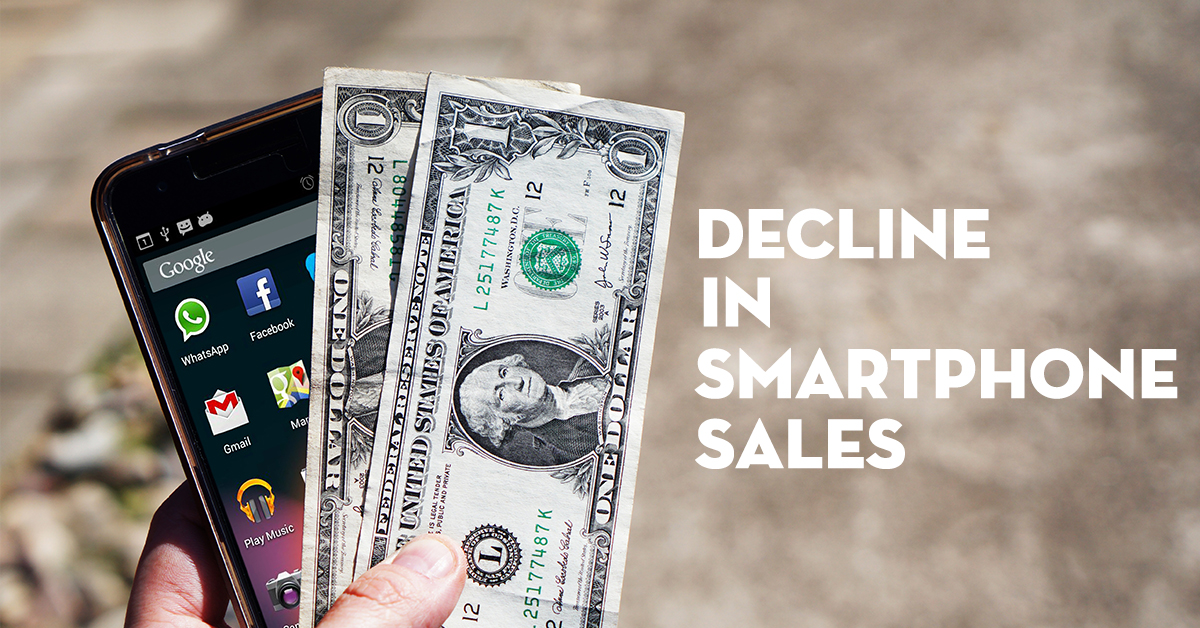
Smartphones were once groundbreaking devices that reshaped how we live, consolidating functions like cameras, music players, and entertainment systems into a single pocket-sized tool. However, the market has reached a point where growth is slowing dramatically. According to Gartner data, worldwide smartphone sales expanded by only 7% in 2016, reaching 1.5 billion units sold, a sharp contrast to the 14.4% growth seen in 2015 and the peak of 73% back in 2010.
The typical consumer now retains their smartphone for approximately 2 to 2.5 years, a trend expected to persist through 2020. Many users are skipping entire generations of devices, choosing to upgrade only when truly compelling innovations appear. In mature markets such as Europe, North America, and developed Asian nations, where penetration has hit around 90%, people are holding onto flagship models longer than ever. This shift is evident as even annual releases from brands like Apple fail to introduce groundbreaking changes beyond incremental improvements in display quality, processing power, RAM capacity, and camera resolution.
As a result, manufacturers are redirecting their focus toward high-growth regions like India and China. However, sales in these areas are predominantly in the budget segment, which limits overall profitability. The industry now looks toward emerging technologies such as virtual reality, AI-driven devices, and wearable tech as potential paths forward. While current smartphone evolution continues, the longer-term future may hinge on alternatives that could eventually reduce our dependence on traditional smartphones.