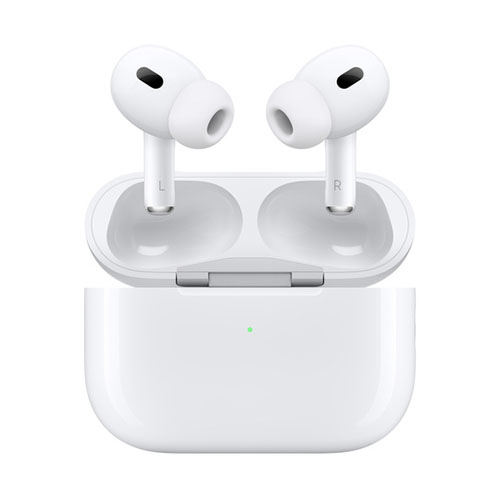
Samsung Galaxy Buds Pro versus Apple AirPods Pro: An In-Depth Faceoff
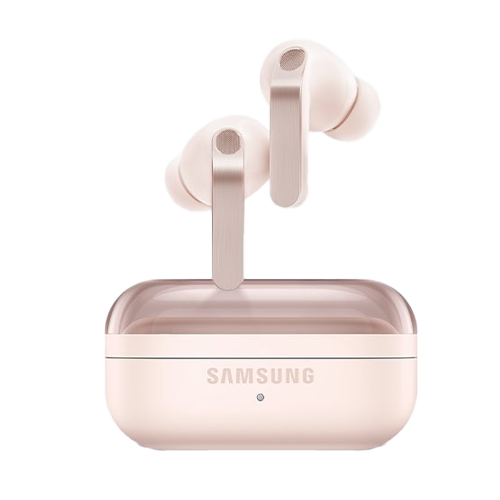
Price in Nepal
Samsung Galaxy Buds 4 Pro
Rs 27,999
Best deals in Nepal
from Rs 27,999Key Takeaways
- Galaxy Buds Pro priced at NPR 25,300 versus AirPods Pro at NPR 39,500
- Buds Pro offers IPX7 water resistance and 360 Audio, AirPods Pro features Spatial Audio and Transparency Mode
- Both deliver comparable audio quality with effective active noise cancellation, though AirPods Pro edges ahead in noise reduction
- Battery life is modest on both, with Buds Pro offering up to 5 hours with ANC enabled
- Ecosystem locking restricts advanced features to Samsung or Apple devices respectively
Samsung Galaxy Buds Pro versus Apple AirPods Pro: An In-Depth Faceoff
The wireless earbud market has become increasingly competitive, with Samsung’s newly released Galaxy Buds Pro taking on Apple’s established AirPods Pro. We put these two premium true wireless earbuds through rigorous testing to determine which model stands out across key categories.
Design and Comfort
The Galaxy Buds Pro adopts Samsung’s classic minimalist canal-type design, while the AirPods Pro refines its stem-based in-ear approach with a shorter profile. Although the Buds Pro appear more elegant in the ear, many users find the AirPods Pro more comfortable due to its lighter weight and well-designed silicone tips. The Buds Pro, being roughly 20% heavier, can feel less secure unless users opt for the larger ear tips provided.
A significant advantage for the Buds Pro is its IPX7 water resistance rating, allowing full submersion, compared to the IPX4 rating of the AirPods Pro, which only protects against splashes. Both models include “Find My” tracking features through their respective apps for locating misplaced earbuds.
Charging and Connectivity
Both earbuds ship in compact, portable charging cases, with the AirPods Pro case being slightly more ergonomic for one-handed access. While the Buds Pro uses a USB-C charging port, the AirPods Pro relies on Lightning. Both support Qi wireless charging. Connectivity is handled by Bluetooth 5.0 on both models, but neither includes NFC. A major difference lies in ecosystem integration: Samsung’s “Auto Switch” works only on One UI 3.1+ devices, mirroring Apple’s “automatic switching” exclusive to iOS.
Controls and Sensors
The Buds Pro feature touch-sensitive controls that can feel overly responsive, occasionally reacting to accidental adjustments. In contrast, the AirPods Pro’s force sensor offers more precise inputs, albeit with a slightly unnatural feel. The Buds Pro lack wear detection, a feature present on AirPods Pro but limited to iOS devices.
Active Noise Cancellation and Ambient Modes
Active noise cancellation on the Buds Pro is impressive but falls short of the AirPods Pro’s industry-leading performance. The Buds Pro excels at blocking low-frequency sounds like humming and ticking but allows more mid and high-frequency noise, such as TV audio, to pass through. The AirPods Pro deliver noticeably quieter experiences in both indoor and outdoor settings.
For users who wish to remain aware of their surroundings, the Buds Pro include an Ambient Sound mode that can amplify external audio by up to +20 dB across four levels. While functional, this mode sounds slightly metallic compared to the AirPods Pro’s refined Transparency Mode. The Buds Pro also feature a “Voice Detect” function that automatically switches from ANC to Ambient mode when speech is detected, a capability absent in the AirPods Pro.
Audio Quality and Additional Features
Audio performance is closely matched between the two models. The Buds Pro feature a dual-speaker setup with an 11mm woofer and a 6.5mm tweeter, while the AirPods Pro utilize a custom Apple driver with adaptive EQ. Both deliver robust bass and clear highs, with the Buds Pro offering a “Bass Boost” option. The Buds Pro also support 360 Audio, similar to Apple’s Spatial Audio, though this feature is currently limited to Samsung devices.
Gamers will appreciate the Buds Pro’s “Game Mode” for reduced latency, exclusive to Samsung phones. The AirPods Pro, while lacking a dedicated gaming mode, performed equally well during testing. Both models include accessibility features for users with hearing impairments.
Call Quality
Call quality is strong on both earbuds. The Buds Pro feature three microphones, including a dedicated voice pickup unit and wind-shield technology to minimize environmental noise, resulting in clear communication even in windy conditions. The AirPods Pro also deliver excellent call quality through its dual-beamforming microphone array.
Battery Life
Battery life is a weak point for both models. The Buds Pro provide up to five hours of playback with ANC enabled and additional time when ANC is off, but many users report real-world performance closer to four hours. The AirPods Pro offer roughly 4.5 hours under similar conditions. Both support fast charging, with the Buds Pro delivering approximately one hour of use after just five minutes of charging.
Verdict
The Samsung Galaxy Buds Pro and Apple AirPods Pro are remarkably similar in performance, with each excelling in specific areas. The Buds Pro offer superior water resistance and 360 Audio, while the AirPods Pro provide better noise cancellation and a more comfortable fit. However, both models tie advanced features to their respective ecosystems, which may deter users outside these environments. For those deeply embedded in the Samsung or Apple ecosystems, either earbud is a strong choice; however, users outside these ecosystems might find alternatives from brands like Bose or Jabra more versatile and cost-effective.
Key specs
| Audio Codecs | SBC, AAC, Scalable |
| Microphone | 3 mics (2 outer + 1 inner) + Voice Pickup Unit (VPU) + Wind Shield |
| Body (Earbud) | 20.8H x 19.5W x 20.5Dmm, 6.3 grams each |
| Battery Life | Up to 5/8 hours (ANC on/off) |
| Color Options | Phantom: Violet, Black, Silver |
| Chip | BCM 43015 |
Want to compare this device with others?
Compare