Smart Rings: Emerging Trends in Compact Wearable Technology
Key Takeaways
- Smart rings track health data, enable contactless payments, and control smart home devices
- They offer better battery life than many wearables but lack display screens
- Higher cost and adaptation challenges exist due to their advanced tech in a small form factor
Smart Rings: Emerging Trends in Compact Wearable Technology
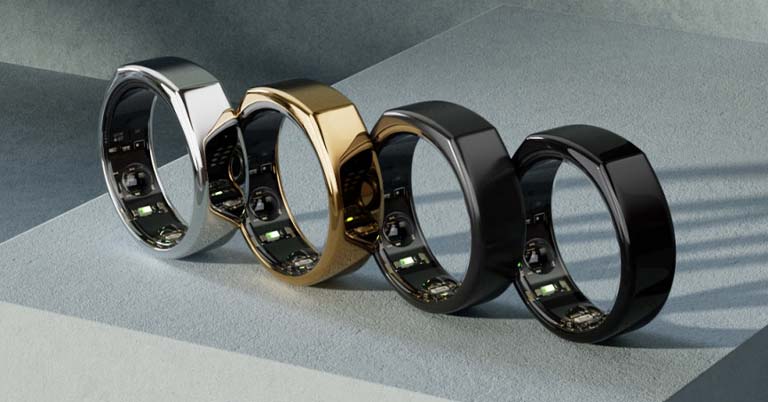
Technology continues to shrink, and the latest frontier is the smart ring, a compact wearable that sits on your finger. These tiny devices pack sensors to monitor health, enable contactless transactions, and connect to smart home systems, all while maintaining a stylish appearance. Though not essential, they offer convenient features that can enhance daily life.
What Are Smart Rings?
Think of a smart ring as a miniature computer on your finger. Despite their small size, these rings contain advanced sensors that collect data such as heart rate, sleep patterns, and more. This information travels via Bluetooth, Wi-Fi, or NFC to a linked smartphone app, turning your finger into a personal data courier.
Key Functions of Smart Rings
Health and Fitness Tracking Many smart rings monitor physical activity, heart rate, and sleep, serving as a discreet fitness companion.
Contactless Payments Equipped with NFC, some models act as digital wallets, allowing users to make secure purchases with a simple tap.
Enhanced Digital Security Smart rings support two-factor authentication and biometric methods like fingerprint or facial recognition, adding an extra layer of protection to digital accounts.
Smart Home Control With a gesture, these rings can adjust home lighting or temperature by connecting to smart home devices, offering more convenience than traditional voice assistants.
Access and Transit They can serve as digital keys to unlock doors at home, work, or vehicles, and in countries with contactless transit systems, they replace the need for a separate travel pass.
How Do Smart Rings Work?
Smart rings rely on technologies such as NFC for short-range communication, similar to systems in smartphones and digital wallets. Sensors like heart rate monitors, accelerometers, and SpO2 trackers vary by model and purpose. Bluetooth links the ring to a smartphone app, where data is displayed and sometimes accompanied by personalized insights.
Benefits of Smart Rings
- Extended Battery Life: Most smart rings last longer between charges than larger wearables, reducing daily maintenance.
- Stylish Design: Combining fashion with functionality, they track health metrics without sacrificing personal style.
Drawbacks of Smart Rings
- Limited Display: Due to their size, most models lack screens, requiring a smartphone for data interaction.
- Higher Cost: Packing advanced tech into a small space can make them pricier than standard wearables.
- Adaptation Challenges: Getting used to a ring and finding the right fit in terms of size and style may require some trial and error.
Are Smart Rings Necessary?
While not essential like smartphones or smartwatches, smart rings offer added convenience and style through features like health tracking and contactless payments. Whether they are worth the investment depends on individual preferences and the value placed on their unique blend of functionality and elegance.