2026 Smartphone Market Turmoil: Rising Memory Costs Reshape Industry
Key Takeaways
- Memory chip prices have risen by up to 100 percent, impacting mid-range and flagship smartphones
- Product launches are being delayed, and some devices are at risk of cancellation
- Discounts are shrinking, and high-storage variants are becoming rarer and more expensive
- Companies are rethinking expansion plans and considering exiting certain markets
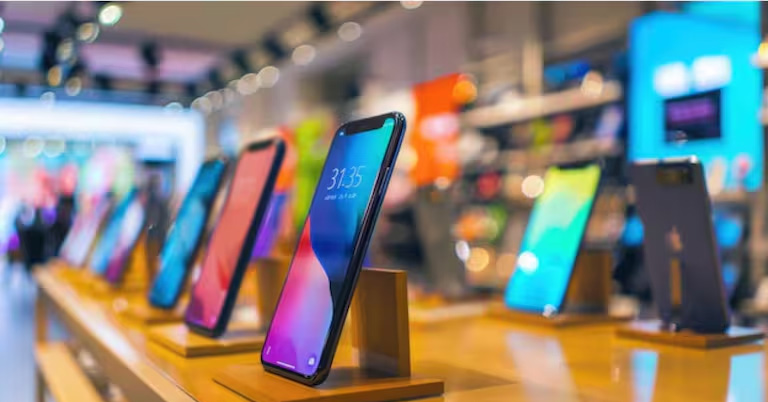
The global smartphone market is entering a period of significant instability in early 2026, primarily due to a dramatic and sustained increase in memory chip prices. This surge, led by major suppliers Samsung and SK Hynix, is reshaping how manufacturers plan, launch, and even cancel new devices.
The most immediate impact is being felt in the mid-range segment, where phones priced between CNY 2,000 and 2,500 are particularly vulnerable. Margins in this range are already slim, and several models introduced in late 2025 are now at risk of being pulled from shelves early or quietly discontinued. Even flagship devices are not immune, with next-generation models reportedly paused in development as companies reassess the financial viability of continuing.
Apple, despite its stronger position, is also affected. The increased costs from memory suppliers are impacting its cost structure, especially for models with higher storage capacities. Beyond rising costs, launch schedules are slipping, and product roadmaps are being rewritten mid-cycle. Some companies are halting work on upcoming flagships altogether, while others are considering exiting certain regional markets to mitigate potential losses.
The ripple effects are evident in the shrinking availability of discounts and the growing price gap between storage tiers. For example, the difference between 256GB and 512GB variants has exceeded CNY 400, and 1TB options are becoming rare or disappearing entirely from lineups. The overall outlook for 2026 suggests a year of financial risk and strategic retreat for smartphone makers, with consumers likely to see fewer innovations and higher prices.