Zomato Founder Unveils Experimental Brain Blood Flow Monitor Tied to Gravity Aging Theory
Key Takeaways
- Zomato's Deepinder Goyal has revealed a prototype wearable called Temple for real-time brain blood flow monitoring
- The device ties into Goyal's Gravity Aging Hypothesis, suggesting gravity impacts brain circulation and aging
- No launch date, price, availability, or technical specifications have been announced for the experimental device
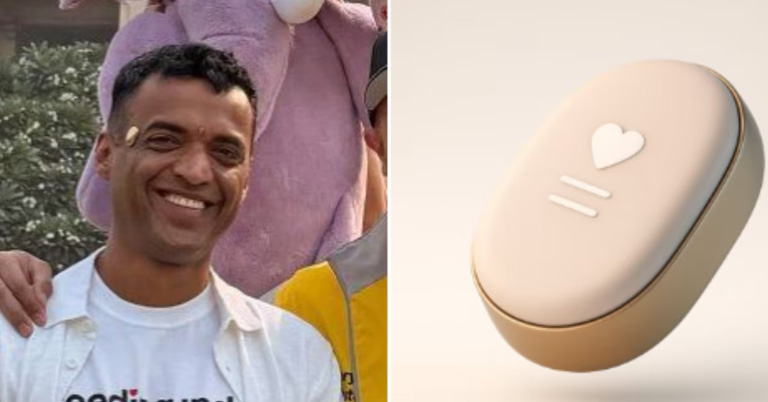
Zomato founder and CEO Deepinder Goyal has shared details about an experimental wearable device called Temple, aimed at tracking blood flow in the brain. Goyal recently posted on social media with the caption “Coming soon,” and photos show him wearing a small sensor on his forehead, sparking online buzz.
In a LinkedIn post, Goyal described Temple as a tool capable of precise, continuous, and real-time measurement of brain blood flow during everyday activities, unlike traditional clinical methods that offer only brief snapshots. He mentioned using the device for a year and believes it could become a significant global health resource. The device is linked to Goyal’s research into the Gravity Aging Hypothesis, which posits that gravity’s effect on blood flow, especially reduced circulation to certain brain regions when standing upright, may contribute to aging.
To test this theory, Goyal and his team investigated whether inversion exercises—where the head is positioned below the heart—could enhance brain blood flow. Early findings suggest that using inversion tables for ten minutes daily over six weeks increased average brain blood flow by approximately 7 percent, potentially countering a decade’s worth of age-related decline. Goyal stresses that Temple remains an experimental device, and accurately measuring brain blood flow through a wearable is notoriously difficult, as most clinical assessments rely on specialized equipment like transcranial Doppler ultrasound or MRI.
Goyal clarified that the Gravity Aging Hypothesis arose from genuine scientific interest rather than as a marketing tactic for the device. He noted that even if the hypothesis lacks support, monitoring brain blood flow is valuable for understanding aging, longevity, and cognitive health. However, he has not disclosed a launch timeline, validation data, pricing, availability, or technical specifications, raising questions about whether Temple is a legitimate health tool or a personal biohacking project.
Temple is being developed under Continue Research, a company funded by Goyal to investigate connections between brain health, aging, and longevity, representing a reported personal investment of $25 million in this controversial theory.