Understanding TPM and Its Importance for Windows 11
Key Takeaways
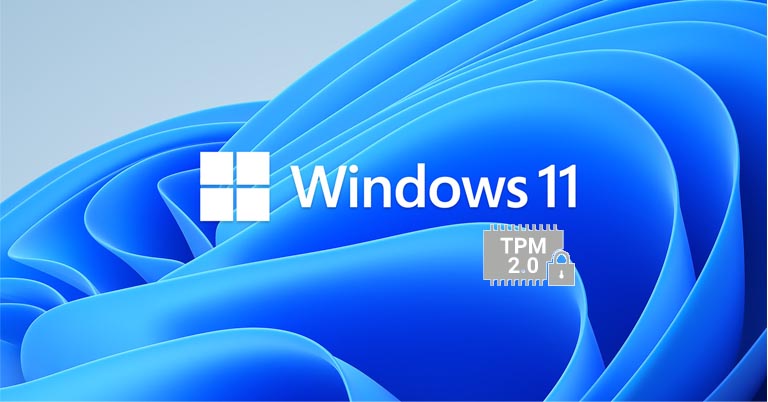
- TPM, or Trusted Platform Module, is a security chip on your motherboard that protects sensitive data
- Windows 11 requires TPM 2.0, a more secure version than the older TPM 1.2
- Most devices made from mid-2016 onward include TPM 2.0, either as a dedicated chip or integrated into the CPU
Understanding TPM and Its Importance for Windows 11
Windows 11 has arrived, bringing a range of new features such as support for Android apps, a redesigned interface, and improved multitasking capabilities. However, one requirement that has raised questions among users is the need for TPM, or Trusted Platform Module. This article clarifies what TPM is, why Microsoft has made it mandatory for Windows 11, and how to verify if your system includes it.
What is TPM?
TPM is a small chip found on your computer’s motherboard. Its main purpose is to enhance security by safeguarding highly sensitive data. The chip stores critical information such as encryption keys and user credentials, creating a physical barrier that helps prevent unauthorized access to your system. Microsoft specifies that Windows 11 requires TPM version 2.0, which offers stronger protection compared to the older TPM 1.2 standard.
Why Does Windows 11 Require TPM?
The inclusion of TPM 2.0 in Windows 11 is tied to the operating system’s emphasis on enhanced security and privacy. With TPM 2.0 enabled, Microsoft can implement robust encryption for features like Windows Hello and BitLocker PINs. It also supports advanced security measures such as Windows Defender System Guard. Given Windows 11’s focus on protecting user data, the requirement for TPM 2.0 is a logical step.
Do You Already Have TPM 2.0?
Microsoft began requiring TPM 2.0 support in Windows 10 devices from July 2016. This means any Windows-powered laptop or PC manufactured from that date forward should include TPM 2.0 functionality. Additionally, many processors from Intel and AMD have integrated TPM-like security features since around 2013. Intel refers to its solution as Intel Platform Trust Technology (Intel PTT), while AMD uses AMD Platform Security Processor (PSP). According to Microsoft, most CPUs produced in the last five to seven years include TPM capabilities.
Why Might Your PC Still Fail the Windows 11 Check?
Even if your computer meets the basic specifications for Windows 11, you might still see a message stating that your PC cannot run the OS when using the PC Health Check app. This often occurs because certain BIOS settings related to TPM are not enabled. To resolve this, access your BIOS security settings and ensure that the appropriate TPM option is activated. The exact process varies depending on the motherboard, but once enabled, the PC Health Check tool should confirm that your hardware is compatible with Windows 11.
Microsoft has also published a list of supported Intel, AMD, and Qualcomm processors for Windows 11 to help users verify compatibility.