Understanding Multi-Core Processors in Modern Smartphones
Key Takeaways
- Multi-core processors allow smartphones to handle multiple tasks simultaneously, improving efficiency
- Octa-core setups often use lower-power cores for basic tasks and reserve faster cores for demanding applications
- While more cores can enhance performance, battery life remains a key consideration due to current technology limits
Understanding Multi-Core Processors in Modern Smartphones
Smartphones have evolved dramatically since their early days as simple communication tools. Today's devices can send emails, capture and edit photos and videos, play media, and run complex applications, all thanks to advanced internal components, especially the processor.
When you see terms like "quad-core processor," "hexa-core processor," or "octa-core processor" in smartphone advertisements or reviews, it can be confusing. To grasp what these mean, it's essential to understand the basics of what a processor does.
A processor, often referred to as a CPU, manages all the operations that make a smartphone function. Unlike older phones that used a single processor, modern smartphones integrate multiple cores into a single chip known as a System-on-a-Chip (SoC). This integration allows devices to remain compact while still delivering powerful performance.
What Are Processor Cores?
A core is the part of the processor responsible for executing tasks. Having multiple cores means the processor can divide and manage workloads more efficiently, allowing several processes to run at the same time. For example:
- A dual-core processor has two cores
- A quad-core processor has four cores
- An octa-core processor has eight cores
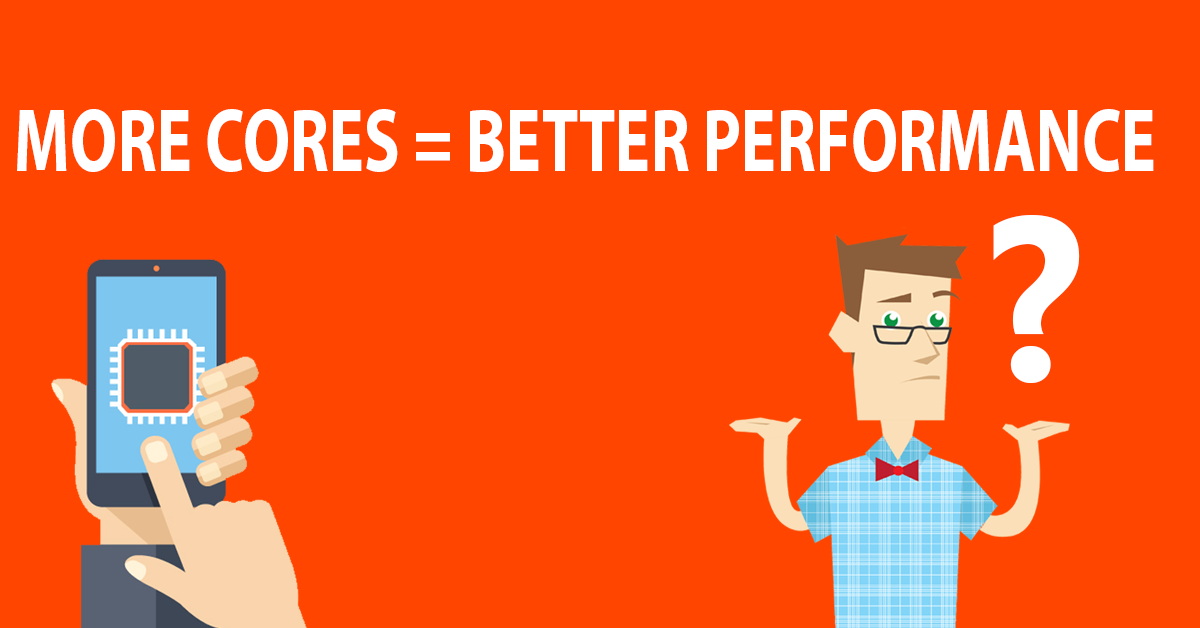
More cores do not automatically mean faster processing for every task. Instead, they enable the device to handle multiple tasks concurrently, improving overall responsiveness.
How Do Multi-Core Processors Work?
In an octa-core processor, the system typically uses a set of lower-power cores for everyday tasks, such as checking messages or browsing the web. When you launch demanding applications like high-definition video streaming, gaming, or photo editing, the processor switches to a faster set of cores to provide the necessary power.
This strategy helps balance performance and battery life. High-performance processors consume more power, which can drain a smartphone's battery quickly. Since battery technology hasn't advanced as rapidly as processors, manufacturers use multi-core designs to extend usage time without sacrificing performance where it's needed most.
Factors Beyond Cores
While the number of cores is important, it isn't the only factor that influences a smartphone's performance. Other elements, such as RAM capacity, the graphics card, and network compatibility, also play significant roles in how effectively multi-core processors can be utilized.
Conclusion
Understanding multi-core processors helps consumers make better decisions when choosing a new smartphone. Although more cores can improve multitasking and efficiency, real-world benefits depend on how the processor manages tasks and how well it works with other components, especially the battery.