The Reasons Behind the Affordability of Chinese Smartphones
Key Takeaways
- Chinese brands produce budget and midrange phones that rival big names in value
- Lower labor costs and local manufacturing reduce production expenses
- Chinese firms spend less on R&D and marketing, focusing on emulation instead of innovation
- Online sales channels cut distribution and retail costs
- Revenue from theme stores adds to profitability without raising prices
Over the past several years, Chinese smartphone manufacturers have emerged as major competitors in the budget and midrange segments, offering devices that match or exceed the value provided by established brands such as Samsung, LG, and Sony. This transformation from earlier reputations of poor quality to today’s reliable alternatives stems from a mix of strategic advantages.
One major factor is the significantly lower labor costs in China. While most smartphones are assembled there, Chinese brands benefit even more because their factories are locally based, allowing them to pay reduced wages. In contrast, global brands like Samsung and Apple face higher expenses due to transportation and the need to hire foreign labor. For instance, assembling an iPhone costs more than making a Xiaomi phone, even when production time is similar.
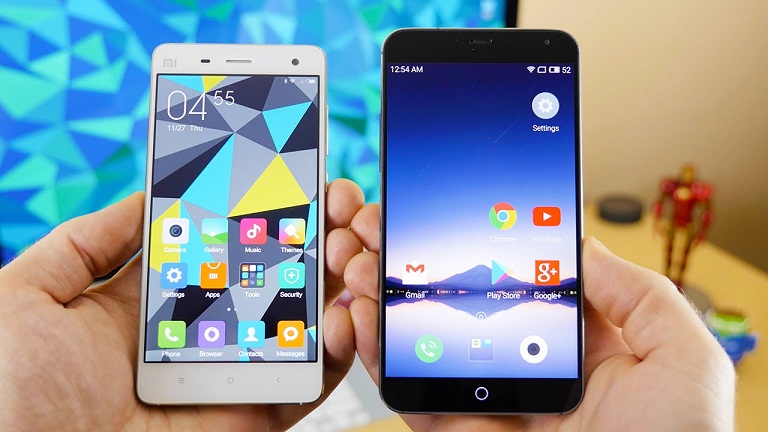
Another key difference lies in research and development spending. Companies such as Apple and Samsung invest heavily in R&D to pioneer new technologies, such as Apple’s fingerprint sensor or Samsung’s advanced Exynos processors. Chinese brands, however, often emulate existing technologies rather than creating them from scratch. A clear example is the Meizu Pro 5, which uses the same Exynos 7420 chipset as Samsung’s high-end Galaxy Note 5 but retails for roughly half the price.
Chinese smartphone companies also rely heavily on online sales channels. By selling exclusively through e-commerce platforms, they avoid the substantial costs associated with maintaining physical retail stores and extensive distribution networks. This approach helps keep prices low by eliminating many traditional overhead expenses.
Moreover, Chinese brands adopt a minimal marketing strategy. While companies like Samsung and HTC spend billions on advertising, billboards, and promotions, Chinese manufacturers focus on delivering strong value, believing that consumers will choose their products based on merit rather than marketing spend. In 2013, Samsung alone invested $14 billion in marketing and promotion, a cost that contributes to higher retail prices.
Finally, Chinese smartphone ecosystems generate additional revenue through theme stores. Many of these devices run customized user interfaces that offer a range of paid and free themes, apps, and games. For example, Xiaomi earns over $8 million monthly from its MIUI theme store, app store, and game offerings, which helps offset production costs without passing extra charges to consumers.
Together, these factors explain why Chinese smartphones can offer impressive specifications at remarkably competitive prices, making them an increasingly popular choice for budget-conscious buyers worldwide.