Xiaomi Pad 7 versus M2 iPad Air: Is Premium Pricing Justified?
Key Takeaways
- Xiaomi Pad 7 priced at approximately NPR 40,000 versus M2 iPad Air at nearly triple the cost
- Xiaomi Pad 7 features a 144 Hz IPS display, larger battery, and better speakers than iPad Air
- M2 iPad Air dominates in raw performance, stylus support, and ecosystem benefits but may be overkill for most users
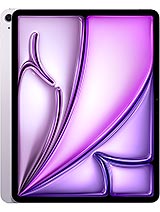
The debate around whether premium tablets justify their cost intensifies with the arrival of the Xiaomi Pad 7, a compelling midrange option released alongside Apple's M2 iPad Air. Priced at around NPR 40,000, the Xiaomi Pad 7 undercuts the iPad Air, which costs nearly three times as much, prompting a reconsideration of what users truly need from a tablet.
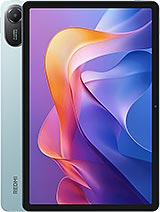
In a direct comparison, the Xiaomi Pad 7 stands out with a 11.2-inch IPS display boasting a 144 Hz refresh rate, significantly smoother than the iPad Air's 60 Hz screen. This advantage is particularly noticeable during scrolling and media consumption. The Xiaomi tablet also features a larger 8,850 mAh battery with 45W fast charging, outperforming the iPad Air's 7,606 mah and 20W charging. Additionally, its speakers produce richer, louder audio, though distortion occurs at maximum volume.
Design-wise, both tablets offer premium all-metal builds and similar handling experiences, though the Xiaomi Pad 7 is slightly heavier with well-distributed weight. The iPad Air retains edges in file transfer speeds with USB 3.2 Gen 1 (10 Gbps) compared to the Xiaomi Pad 7's USB 3.2 Gen 1 (5 Gbps), and includes Touch ID for biometric security, a feature absent in the Xiaomi model. The iPad Air also supports "Center Stage" for video calls, a functionality missing from the Xiaomi Pad 7, despite its presence in the previous Xiaomi Pad 6.
Performance remains the iPad Air's clear stronghold, powered by the M2 chip, which surpasses the Xiaomi Pad 7's Snapdragon 7+ Gen 3 in all benchmarks, gaming, and multitasking. The iPad Air also benefits from a fully laminated display, enhancing the Apple Pencil experience for digital artists, and offers an anti-reflective coating as standard. iPadOS provides exclusive professional apps like DaVinci Resolve and Procreate, which are unavailable on Android.
Despite these advantages, the Xiaomi Pad 7 proves sufficiently powerful for everyday tasks such as browsing, gaming, and media playback. Its HyperOS 2.0 supports efficient multitasking with features like saved app pairs, offering convenience comparable to iPadOS 18. The Xiaomi Pad 7 also incorporates AI capabilities, including sketch-to-image conversion and dynamic wallpapers, areas where Apple currently lags.
Ultimately, for users requiring only basic tablet functions, the Xiaomi Pad 7 presents a compelling value proposition. The M2 iPad Air's performance and ecosystem benefits may justify its premium price for dedicated creatives or those deeply embedded in Apple's ecosystem. However, for most consumers, the Xiaomi Pad 7 delivers an exceptional balance of features and affordability, challenging the assumption that more expensive always means better.
Last updated: February 19, 2026
Key specs
| Price | launching soon |
| Display | 11.2-inch IPS, 3.2K, 144 Hz |
| Storage | 128GB/256GB |
| Camera | 13MP rear, 8MP front |
| Battery | 8,850 mAh, 45W charging |
| Processor | Qualcomm Snapdragon 7+ Gen 3 |
Want to compare this device with others?
Compare