Xiaomi Redmi Note 8 Pro Long-Term Review: A Balanced Mid-Range Powerhouse
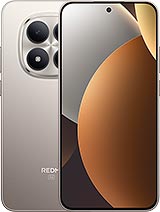
Xiaomi Redmi Note 8 Pro price in Nepal
Rs 26,999
Best deals in Nepal
Finding the best deals
Checking stores across Nepal for live prices.
Key Takeaways
- Priced from NPR 26,999, the Redmi Note 8 Pro offers a Helio G90T chipset, 64MP quad-camera setup, and a 4500mAh battery
- The phone features a gorgeous glass design with Corning Gorilla Glass 5 protection on both front and back
- Performance is excellent for gaming and daily use, but the display remains an IPS LCD rather than AMOLED
- Cameras produce decent images, though dynamic range and low-light performance lag behind some competitors
- Overall, the device provides great value with its balance of features and performance at this price point
Xiaomi has launched the Redmi Note 8 Pro as the successor to the popular Redmi Note 7 Pro, bringing updates across design, performance, and camera capabilities. Priced from NPR 26,999 for the 6GB/64GB variant, the phone aims to maintain its position as a value champion in the mid-range segment.
The Redmi Note 8 Pro sports a striking glass design with curved edges, marking a departure from previous boxy Redmi Note models. The phone measures thick compared to the Note 7 Pro, but the glass build feels premium in hand. Both the front and back are protected by Corning Gorilla Glass 5, though the device can be slippery, so using a case is recommended. Buttons are located on the right side, with a sealed SIM tray on the left. The phone includes a USB Type-C port, a headphone jack, and stereo speakers, along with a rubber-sealed SIM tray for added protection against accidental spills. The fingerprint sensor is placed on the back in a somewhat awkward position, but users can adapt to it over time.
Equipped with a 6.53-inch FullHD+ IPS LCD display, the Redmi Note 8 Pro offers vibrant colors and good brightness levels, performing well even in outdoor conditions. The display features minimal bezels and a U-shaped notch at the top, with an option for gesture-based navigation for a full-screen experience. While the IPS panel provides solid performance, users may notice that AMOLED displays offer better contrast and deeper blacks, which are missing here.
Under the hood, the phone is powered by the MediaTek Helio G90T chipset, a gaming-oriented mid-tier processor that delivers a noticeable upgrade over the Snapdragon 675 found in the Note 7 Pro. In performance testing, the device handled demanding games such as PUBG, Fortnite, and Asphalt smoothly at highest settings without lag or stutter. Thermal testing revealed that the phone remained well within acceptable temperature limits, not exceeding 40 degrees even after extended gaming sessions.
The software experience runs on Android 9 with MIUI 10, though an update to MIUI 11 was expected before the end of 2019. Navigation through the interface feels smooth, aided by the 6GB of RAM and the capable Helio G90T processor. Advertisement intrusions within the UI were minimal during the review period.
Photographically, the Redmi Note 8 Pro features a quad-camera setup including a 64MP primary lens, an 8MP ultra-wide angle lens, and two 2MP sensors for depth and macro imaging. While the 64MP images show slight improvements in sharpness when zoomed in, the overall dynamic range and exposure balance were found to be superior on the previous Note 7 Pro model. Comparisons with the Realme 5 Pro also showed mixed results, with each device excelling in different scenarios. The 2MP depth sensor performs decently for portraits, offering improved edge detection over the Note 7 Pro, while the macro lens remains largely a gimmick with poor image quality. The 20MP front camera produces natural-looking selfies with accurate skin tones, though some images displayed a slight reddish tint. Night photography remains a weak point, with darker and less detailed images compared to the Note 7 Pro, even when using Night mode.
Battery life benefits from the sizable 4500mAh capacity, which compensates for the slightly less efficient Helio G90T chipset compared to the Snapdragon 675. In typical usage scenarios, the phone easily lasts a full day, though heavy gaming sessions may require an evening top-up. The included 18-watt fast charger can bring the device from 0 to 100 percent in just over two hours.
Additional features include a rear-mounted fingerprint sensor that, despite its placement, unlocks quickly, along with an optional face unlock feature. The phone retains an IR blaster, a feature becoming rare in modern smartphones, and still includes an LED notification light, albeit one that only glows in a single color. Call quality and network reception were strong during testing, and the device supports 5GHz WiFi, a feature often overlooked in this price range. The single bottom-firing speaker delivers decent volume without distortion at higher levels.
In conclusion, the Redmi Note 8 Pro presents a well-rounded package for users seeking a capable mid-range device. Its strengths lie in excellent performance, a premium design, and solid camera outputs, while its weaknesses include the absence of an AMOLED display and an in-display fingerprint sensor, features offered by competitors such as Vivo and Samsung at similar price points. However, the IPS display and rear fingerprint sensor remain adequate for most users, making the phone a strong contender for those prioritizing value and performance.
Key specs
| OS | Android 9 with MIUI 10 |
| Price | NPR 26,999 (6/64GB), NPR 29,999 (6/128GB), NPR 32,999 (8/128GB) |
| Display | 6.53-inch IPS LCD, FullHD+ (2340×1080 pixels), 19.5:9 aspect ratio, Corning Gorilla Glass 5 |
| Front Camera | 20MP f/2.2 |
| Storage | 64GB, 128GB, expandable |
| Battery | 4500mAh with 18W fast charging |
Want to compare this device with others?
Compare