Top 4G Smartphones Under NPR 20,000 in Nepal for 2026
Key Takeaways
- Devices range from NPR 7,290 to NPR 19,999, featuring 4G connectivity and solid performance for everyday use
- Key highlights include displays from 4 to 5.5 inches, quad-core to octa-core processors, and batteries from 1500 mAh to 4100 mAh
- Options cater to various needs, from basic calling to multimedia and longer battery life
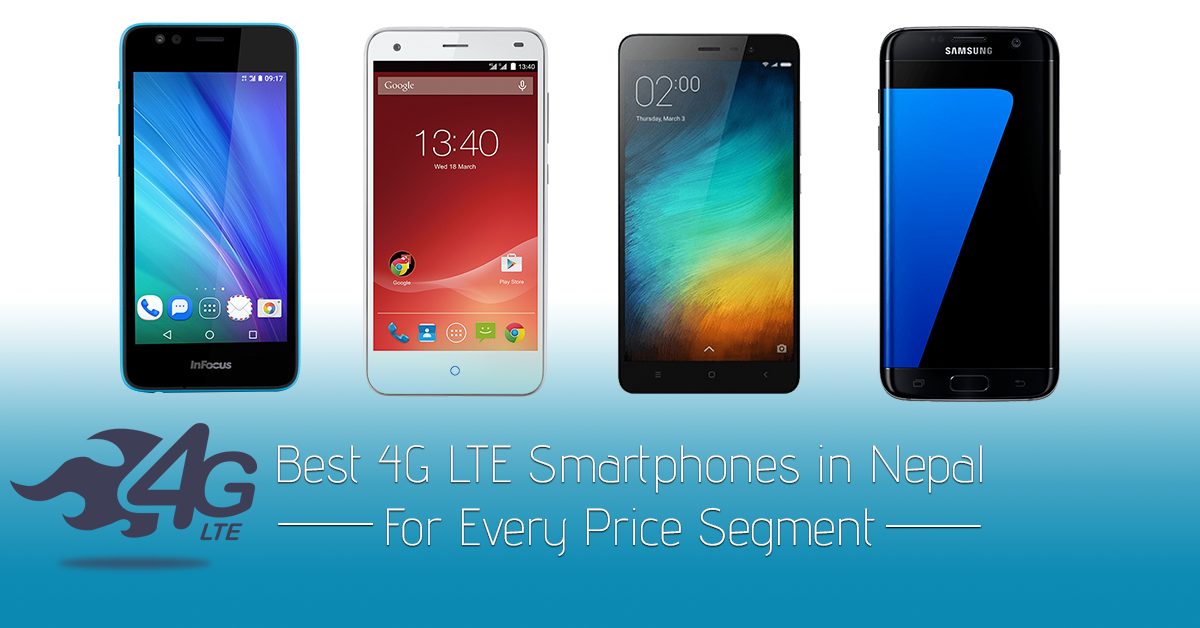
Nepal's recent rollout of 4G services in major cities marks a major upgrade in mobile internet experience, offering speeds roughly double that of 3G networks. For consumers seeking capable smartphones that support this new connectivity without breaking the bank, we have compiled a list of the best 4G-enabled devices priced below NPR 20,000.
The Samsung Z2 stands out as an entry-level option with a 4-inch WVGA TFT LCD screen, Tizen OS, and a 1.5 GHz quad-core processor, priced at just NPR 7,290. For those needing more screen real estate, the InFocus Bingo 20 offers a 4.5-inch FWVGA IPS display, Android 6.0, and an 8MP rear camera for NPR 8,999.
Mid-range choices include the CG Blaze 4G, featuring a 5-inch HD IPS screen, 2GB of RAM, and a 2000mAh battery for NPR 11,111. The Xiaomi Redmi 4A brings a robust 5-inch HD IPS display, 13MP rear camera, and a sizable 3,120mAh battery at NPR 14,999.
Higher-end options under the limit include the ZTE Blade S6 with a 5-inch HD IPS panel, octa-core processor, and 2400mAh battery for NPR 15,990, and the Gionee F103 Pro, which adds a 2.5D curved design and 3GB of RAM for NPR 16,999.
The ZTE Blade V7 Lite includes a fingerprint sensor and an 8MP front camera for NPR 18,990, while the InFocus M680 expands screen size to 5.5 inches with a FHD IPS panel for NPR 19,990. Rounding out the list are the Xiaomi Redmi 3S and Huawei GR3, both priced at NPR 19,999; the Redmi 3S features a massive 4100mAh battery and fingerprint sensor, whereas the Huawei GR3 offers an octa-core processor and expandable storage up to 256GB.
These models provide a spectrum of features and specifications to suit various user preferences, all while leveraging Nepal's expanding 4G infrastructure for faster, more reliable mobile internet.