Beyond the Drop Test: The Real Story Behind 'Indestructible' Smartphones in 2026

Xiaomi Redmi Note 15 Pro+ price in Nepal
Rs 50,000
Best deals in Nepal
Finding the best deals
Checking stores across Nepal for live prices.
Key Takeaways
- Top brands promote 2.5-meter drop resistance, but real-world drops on hard surfaces often cause damage
- Durability focus comes at the cost of weaker cameras, mid-tier chipsets, and older storage/RAM standards
- Consider your priorities: performance, camera quality, or software updates may matter more than drop tests
Over the last few weeks, several new smartphones have arrived in Nepal, with two manufacturers putting durability front and center in their marketing. Xiaomi has launched the Redmi Note 15 Pro+, while Honor introduced the X9d model. Both boast IP68 and IP69K water resistance ratings and claim the ability to survive drops from up to 2.5 meters.
At first glance, these figures seem impressive. However, a closer look at how companies promote this durability reveals some misleading practices. Social media videos from both brands show dramatic durability tests, including one where a phone is dropped from a staggering 1000 feet while paragliding. A crucial detail often overlooked is that these phones were not dropped onto concrete or tile but onto grass, a much softer surface.
For instance, the Xiaomi device uses Gorilla Glass Victus protection, while Honor relies on its proprietary glass technology. In everyday scenarios involving minor accidental drops, the likelihood of a cracked screen has indeed decreased significantly. Users may still notice dents or scratches, but the phone is likely to survive. Shock resistance has improved overall, and modern phones can handle small accidental drops better than ever before.
Water resistance has also seen major improvements. With IP68 and IP69K ratings, water damage is almost nonexistent for most users today. It is very unlikely that your phone will fail due to exposure to water. So, yes, even midrange smartphones in 2026 are noticeably more durable than models from a few years ago.
However, in actual use, phones rarely land on soft grass or controlled environments. They fall onto concrete, tiles, or surfaces with sharp edges. If the impact point is unfavorable, even the most "durable" phone can be severely damaged. For example, when we dropped both the Honor X9d and Redmi Note 15 Pro+ from a height of 1.5 meters, both devices suffered screen cracks.
Glass remains glass, and glass can break.
Why Influencer Drop Tests Don't Reflect Everyday Use Brands often partner with influencers to create eye-catching drop tests, dropping phones from extreme heights and performing dramatic stress tests to highlight toughness. However, we do not truly know how much editing is involved in these videos or how controlled the test conditions actually are.
Some Responsibility Lies With Tech Reviewers We at GadgetHaru must also acknowledge our own role in shaping this trend. In the past, we have produced durability-focused videos featuring phones such as the Honor X9b and X9c. While durability is indeed a valuable feature, the bigger concern is what manufacturers are sacrificing to push this durability narrative forward. In both the Redmi Note 15 Pro+ and Honor X9d, three key areas have clearly taken a hit: camera capabilities, software version, and overall performance.
Starting with the cameras, the sensors and lenses on both phones are underwhelming for their price points. There is no proper portrait lens, the ultra-wide camera offers low resolution, and video recording quality is merely average. If you enjoy photography or portrait shots, these devices will not meet your expectations.
Performance is another area of concern. Both phones use mid-tier chipsets that are not very powerful. As a result, gaming performance is limited, often capped at around 60 FPS, and overall system responsiveness does not align with what we would expect from premium midrange phones in 2026.
Additionally, both manufacturers are cutting corners with storage and memory. They still use slower UFS 2.2 storage and LPDDR4X RAM, even though UFS 4.0 and LPDDR5X have become industry standards. Moreover, both phones ship with Android 15 out of the box instead of the newer Android 16. While Redmi offers three years of OS updates, Honor has not committed to any update schedule.
The bottom line is this: durability matters, but it should not be the sole factor in your purchasing decision.
Our Recommendation We advise all readers not to be swayed by extreme drop-test marketing videos. In real-world conditions, if a phone lands incorrectly, it will get damaged. For this reason, we recommend using high-quality tempered glass screen protectors and robust protective cases.
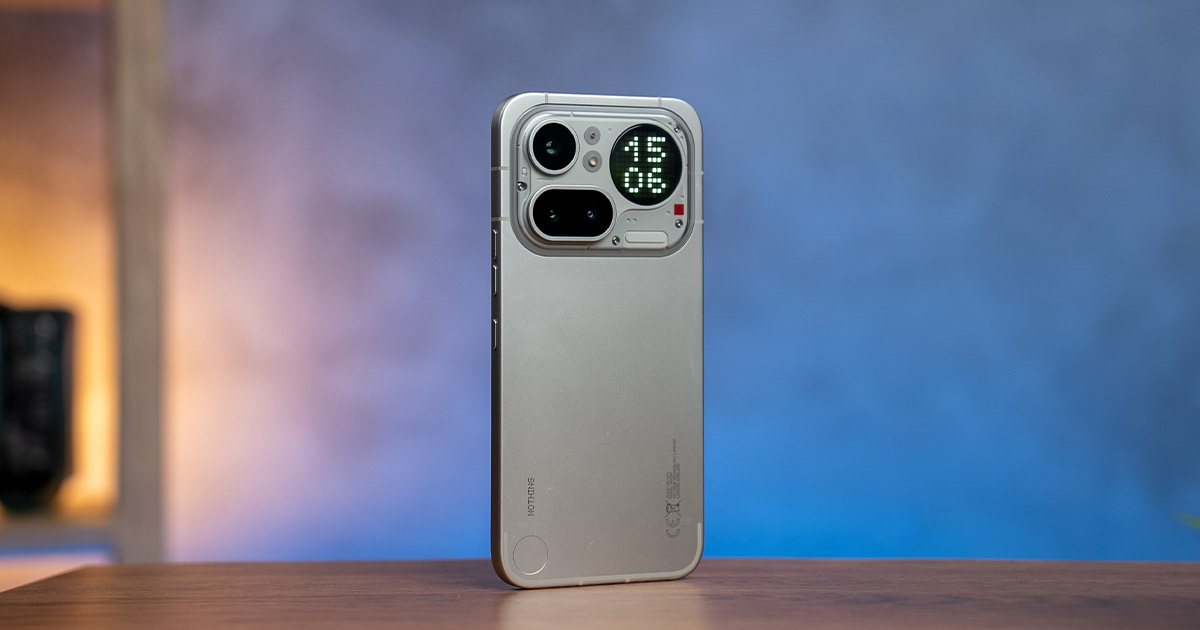
Before buying any smartphone, consider your personal priorities carefully. For example, if your budget is Rs. 50-60,000 and performance is key, you might prefer performance-oriented options such as the Nord CE 5 or Infinix GT 30 Pro, as durability-focused models typically do not deliver top-tier processing power. If you prioritize cameras, portrait photography, and a quality software experience, a device like the Nothing Phone 3a Pro makes more sense, offering one of the best telephoto lenses in its segment and excellent portrait capabilities. And if you value long-term software support, the Galaxy A36 provides a strong advantage with its commitment to six years of Android updates. Make the choice that best fits your needs.
Key specs
| Price | Rs. 50,000 - Rs. 60,000 (approximate range) |
| Display | Not specified |
| Storage | UFS 2.2 |
| Camera | Underwhelming sensors, no proper portrait lens, low-resolution ultra-wide |
| Battery | Not specified |
| Processor | Mid-tier chipset (exact not specified) |
Want to compare this device with others?
Compare