Microsoft Officially Ends Windows Phone Development
Key Takeaways
- Microsoft has ceased development of new features and hardware for Windows Phone
- The operating system will continue to receive security and bug fixes
- Microsoft now focuses on Android and iOS platforms for its applications
Microsoft Officially Ends Windows Phone Development
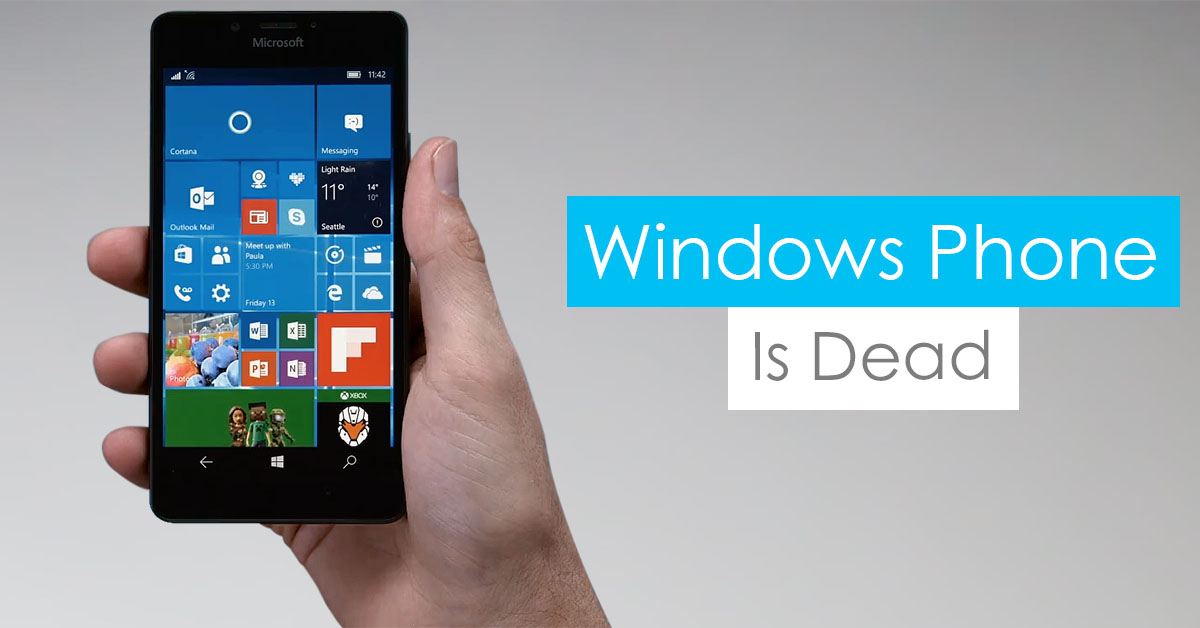
After years of declining market share and struggling to attract app developers, Microsoft has officially confirmed that it will no longer develop new features or release new hardware for its Windows Phone operating system. This decision comes as no surprise, given the platform’s minimal impact in a market dominated by Android and iOS.
Vice President of Microsoft OS, Joe Belfiore, announced via tweet that the company will stop introducing new features to Windows Phone and will not launch any additional devices running the OS. However, existing users can expect to continue receiving essential security updates and bug fixes for the foreseeable future.
One of the primary reasons for Windows Phone’s downfall was the lack of support from app developers. Despite Microsoft’s efforts—including financial incentives and creating apps themselves—the low number of users made it unviable for most companies to invest in developing for the platform. Belfiore acknowledged this challenge, stating, “We have tried very hard to incent app devs. Paid money.. wrote apps 4 them.. but volume of users is too low for most companies to invest.”
Even Microsoft co-founder Bill Gates reportedly switched to an Android device, specifically the Galaxy S8, highlighting the broader shift away from Windows Phone. In response to the decline, Microsoft has increased its support for Android and iOS, ensuring that its applications are well-optimized and available on these competing platforms. This move should make the transition smoother for Windows Phone users looking to move on.
While Windows Phone had a dedicated fan base and offered a smooth, regularly updated interface, it ultimately could not overcome the barriers posed by limited app availability and low market share. As Microsoft redirects its focus toward Android and iOS, users are encouraged to explore these more widely supported ecosystems.